7 Signs You Need to See a Dentist
March 5, 20263 min read
Dental problems usually announce themselves before they become emergencies. If you know what to look for, you can act in time and avoid costly or painful treatments. Here are 7 signs worth taking seriously.
1. Persistent pain or throbbing sensations
Pain that won't go away or throbs rhythmically is often a sign of bacterial infection in the dental pulp (the nerve of the tooth). Left untreated, the infection can spread into the bone or neck spaces. Painkillers mask the symptom, not the cause — don't take them and wait. Treat the problem.

2. Bleeding gums
Gingivitis, easily treated in the early stages, can progress into periodontitis — a deep infection that destroys the alveolar bone and can lead to tooth loss. If your gums bleed when you brush or floss, that's a warning sign, not something "you get used to."
3. Sensitivity to hot and cold
If a sip of cold water or a spoonful of ice cream triggers a short but sharp sting, your enamel has thinned or your gums have receded, exposing the dentin. Sometimes it signals an early cavity or a crack. Either way, it's worth checking.
4. Persistent bad breath
Halitosis that doesn't go away after brushing, flossing, and mouthwash may indicate advanced decay, active periodontal disease, or an infection under a dental restoration. It's not just a cosmetic issue — it's a clinical symptom that needs attention.
5. Suspicious spots or discolorations
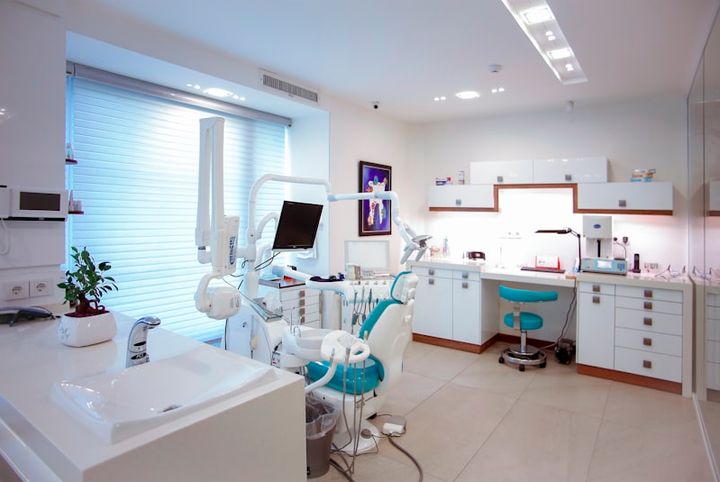
White spots on enamel can be signs of demineralization — cavities that haven't yet reached the cavity stage. Dark spots or blackish areas indicate active decay. White or red lesions on the gum mucosa or tongue must always be evaluated by a dentist, no exceptions.
6. Swollen, red, or receding gums
Healthy gums are pale pink and firm. If yours are swollen, red, painful to the touch, or seem to have pulled back exposing the roots of your teeth, you need a periodontal evaluation. Gum recession is generally irreversible without intervention — the earlier you act, the better.
7. Locked jaw or pain when chewing
Difficulty opening your mouth wide, jaw clicks, or pain when chewing and yawning may indicate temporomandibular dysfunction (TMJ). Symptoms tend to worsen during stressful periods and require evaluation — often, a relaxation splint resolves the issue.
What to do about it
None of these signs should be ignored. The earlier you act, the simpler, faster, and less costly the treatment. At AURA DENT, evaluations are thorough, communication is straightforward, and you'll always leave knowing exactly what's happening with your oral health.
Frequently Asked Questions
Related Articles


Have questions? Contact us!
We are here to answer any questions you may have.